

Slate & Shutter • Sep 09 • 5 min read
Types of Video Content for Business: Which One Does Yours Need?
The main types of video content for business are brand films, promotional videos, explainer videos, product videos, testimonial films, social-first short form, event films and recruitment videos. Each solves a different problem. Choosing well starts with what you want to change, not with what looks good.
Most businesses get this wrong in the same way. They decide they need "a video", commission whatever the production company usually makes, and end up with something nobody quite knows where to put. The type matters more than the budget.
Below is what each one is for, roughly what it costs, and how to work out which you actually need.


Start with the problem, not the format
Before reading the list, answer this: what would you like to be different in six months?
People don't understand what makes us different → Brand film
People understand us but aren't buying → Promotional video
People don't understand what the product does → Explainer video
People don't trust us yet → Testimonial or case study film
Nobody has heard of us → Social-first short form
Good candidates aren't applying → Recruitment or culture film
Our event needs to justify next year's budget → Event film
If more than one line applies, you've got a sequencing question rather than a format question. There's a section on that at the end.

Brand film
What it is. A short film about why the business exists rather than what it sells. Founder or maker on camera, process, place. Usually 60 to 90 seconds for the main cut, with a longer documentary version behind it.
What it's for. Making people understand and remember you. It works hardest when you're selling at a premium, when your differentiator is how you do something rather than what you do, or when your sales process involves persuading people you'll never meet.
Typical cost. £1,000 to £5,000 depending on shoot days and how many finished cuts you need.
When not to. If your appeal is genuinely price and convenience, this is the wrong spend. And if you can't say what makes you different in one sentence, film won't invent it for you.

Promotional video
What it is. A short piece built around a specific offer, launch or campaign. Tighter, faster, with a clear call to action at the end.
What it's for. Driving a measurable action inside a defined window. Bookings, sign-ups, footfall, pre-orders.
Typical cost. £800 to £3,000. Often cheaper than a brand film because it's shorter and the brief is narrower.
When not to. If you don't have paid budget to put behind it. A promo with no media spend is a video sitting on a website doing nothing. The production cost is usually the smaller half of the total.

Explainer video
What it is. Sixty to ninety seconds explaining how something works. Can be live action, animation, screen capture, or a mix. Script-led rather than interview-led.
What it's for. Products or services where the value isn't obvious at a glance. Software, financial services, anything with a process the customer has to understand before they'll commit.
Typical cost. £1,500 to £6,000. Animation costs more than it looks like it should, because every second is built rather than captured.
When not to. If your product is visually self-evident. An explainer for a coffee shop is probably not the right move.

Product video
What it is. The thing itself, shot properly. Close detail, materials, scale, how it moves, how it's used. Often silent or music-led, made to loop.
What it's for. Ecommerce product pages, paid social, trade shows. Reduces returns as well as increasing conversion, because people know what they're getting.
Typical cost. £800 to £2,500 for a set, and the per-item cost drops sharply the more you shoot in one session.
When not to. Rarely a bad idea if you sell physical products. The mistake is shooting one at a time rather than batching a season's worth in a day.
Testimonial and case study films
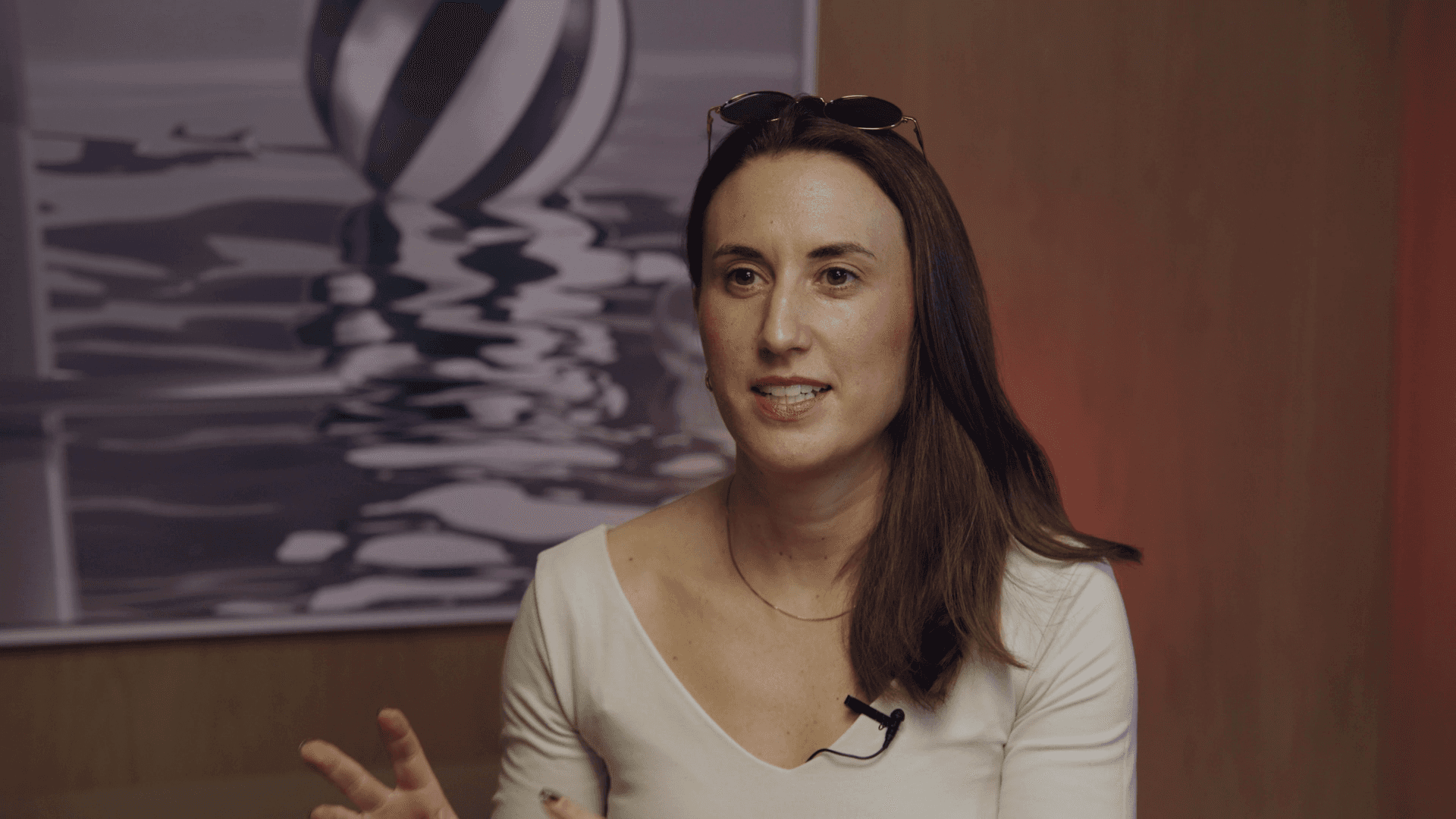
What it is. A customer explaining, in their own words, what changed. Two to three minutes, interview-led, ideally shot at their premises rather than yours.
What it's for. Trust. This is the highest-converting video type for most B2B businesses and the one most people skip because asking a client to appear on camera feels awkward.
Typical cost. £800 to £2,500 per film, less if you shoot several in one day at one location.
When not to. If your clients are under NDA or in a sector where naming them causes problems. In that case a case study film with the specifics anonymised rarely works. Write it instead.

Social-first short form
What it is. Vertical, 15 to 30 seconds, built for the platform rather than cut down from something longer. Made in batches.
What it's for. Being seen at all. This is a volume game, and it's the only video type where consistency beats quality.
Typical cost. £800 to £3,000 for a batch of ten to twenty, shot in a day.
When not to. If you can't commit to posting regularly. Ten clips released over ten months achieve nothing. The same ten over ten weeks might.

Event film
What it is. A highlights cut from a conference, launch, opening or festival. Usually two to three minutes, delivered fast.
What it's for. Two audiences. People who weren't there, and whoever signs off next year's budget. The second is often the real client.
Typical cost. £800 to £3,000 for a day, depending on crew and turnaround. Same-day or next-day delivery costs more and is often worth it.
When not to. If nobody has decided what the film is for before the event happens. Event footage shot without a brief is expensive B-roll.

Recruitment and culture film
What it is. What it's like to work somewhere. Team on camera, the actual office or site, honest about the job.
What it's for. Reducing cost per hire and filtering out poor-fit applicants before interview stage. Increasingly standard for anyone hiring at volume.
Typical cost. £1,500 to £5,000.
When not to. If the culture isn't good. Film makes it obvious, and a glossy recruitment video for a place people leave quickly does measurable damage.
The mistakes that cost the most
Making one video and expecting it to do everything.
A brand film asked to also drive bookings and explain the product will do all three badly. One film, one job.
Not planning the deliverables before the shoot.
Editing is where the cost sits. Deciding after the shoot that you also want ten vertical cuts can add more to the invoice than the shoot day did. Decide first.
Ignoring where it goes
A three-minute documentary posted to Instagram will not be watched. The same footage cut to 20 seconds might be. Format follows placement.
Shooting once and never again.
One good day of filming can generate a year of content if you plan for it. Most businesses use about a tenth of what they paid for.
If you can only afford one
For most independent businesses, start with a brand film, and specify a set of social cuts and stills as part of the same shoot. That gives you the homepage piece, the thing you send to prospects, and enough short-form material to keep social ticking over. One shoot day, three formats, and you learn what your audience responds to before spending more.
The exception is if you sell something people don't understand. Then make the explainer first. No amount of atmosphere helps if the customer can't work out what they're buying.
The other exception is if you're already getting attention but not converting. Then make testimonial films, because the gap is trust rather than awareness.
Not sure which you need?
We make video for independent businesses in London and we'll tell you honestly if the type you've asked for isn't the one that'll help. If you want to talk it through, get in touch, or see what we've made.